Questions applicants ask
14 questions about applying, training and living in Roseburg, answered by the program.


What is your program looking for in a resident?
We look for residents who work hard, enjoy rural living, and want to help the faculty, the hospital and the community build a better residency.
Residents shape the program through feedback, leadership and engagement. We value residents who care about their own education and also about improving the program and serving the local community.
Do you accept international medical graduates?
Yes. Graduates of recognized international medical schools are welcome to apply if they have met ECFMG requirements, apply through ERAS, and register with the NRMP.
We cannot offer visa sponsorship at this time. International medical graduates must be United States citizens or permanent residents.
Is there a limit on time since medical school graduation?
Yes. We do not review applicants who graduated from medical school more than three years ago.
Is there a minimum USMLE or COMLEX score?
No. We have no minimum score for USMLE Step 1, Step 2 or COMLEX. Passing on the first attempt is preferred.
Will you consider an applicant who failed a USMLE or COMLEX exam?
Yes. Board scores are one part of how we evaluate an applicant, and we know that things beyond knowledge and ability can affect a test result. Passing on the first attempt is preferred, but a previous failure does not rule an applicant out.
What do you require in letters of recommendation?
At least three letters from people who have waived their right to see them. The letters should give a physician's view of how the applicant will function as a resident. At least one should come from a family physician, ideally a family medicine clerkship director. Personal letters from people who know the applicant well count for the most.
Do residents rotate anywhere other than Mercy Medical Center?
Yes. In PGY-1, residents spend four weeks at the Roseburg VA to learn the VA system. In PGY-2 and PGY-3 they spend one half day a week in a continuity clinic at the VA, caring for their own panel of veterans.
Addiction medicine training uses local community resources: outpatient treatment, a methadone clinic, inpatient detoxification, and medication-assisted treatment with buprenorphine and methadone.
What procedures will I learn?
Faculty teach a broad range of outpatient procedures, including minor skin procedures (biopsies, excisions, cryotherapy), colposcopy and cervical biopsy, IUD placement and removal, endometrial biopsy, vasectomy, Nexplanon placement and removal, first-trimester obstetric ultrasound, and LEEP. On the surgery and procedures rotation, residents can also learn upper and lower endoscopy. Elective time can add more procedural experience.
The full list is on the Procedures page.
Can I do an away rotation?
Yes. Within ACGME requirements, residents can usually do one four-week away rotation in PGY-2 or PGY-3. PGY-2 and PGY-3 residents in good academic standing can also do international electives. Time away is balanced against continuity in the clinic.
How much elective time is there?
26 weeks over three years: 4 in PGY-1, 8 in PGY-2 and 14 in PGY-3. Electives fit each resident's goals. Examples: obstetrics fellowship preparation, urgent care, emergency medicine, EMS, hospital medicine, extra inpatient time, and outpatient procedures.
See Elective Rotations for the full list.
When are didactics?
Every Thursday from 1:00 to 5:00 PM, protected from clinical duties, with lunch. Didactics include lectures, procedure workshops, practice management, journal club, quality improvement and research, simulation, board review, and maintenance of certification activities. The curriculum changes with what residents need.
Can I moonlight?
Yes, with approval. PGY-2 and PGY-3 residents with an unrestricted Oregon medical license may moonlight with the program director's approval. The residency's professional liability coverage does not extend to moonlighting.
What are the schools like for children?
Roseburg and the surrounding communities have eight public elementary schools, two middle schools and one high school, plus several private schools.
What is Roseburg really like?
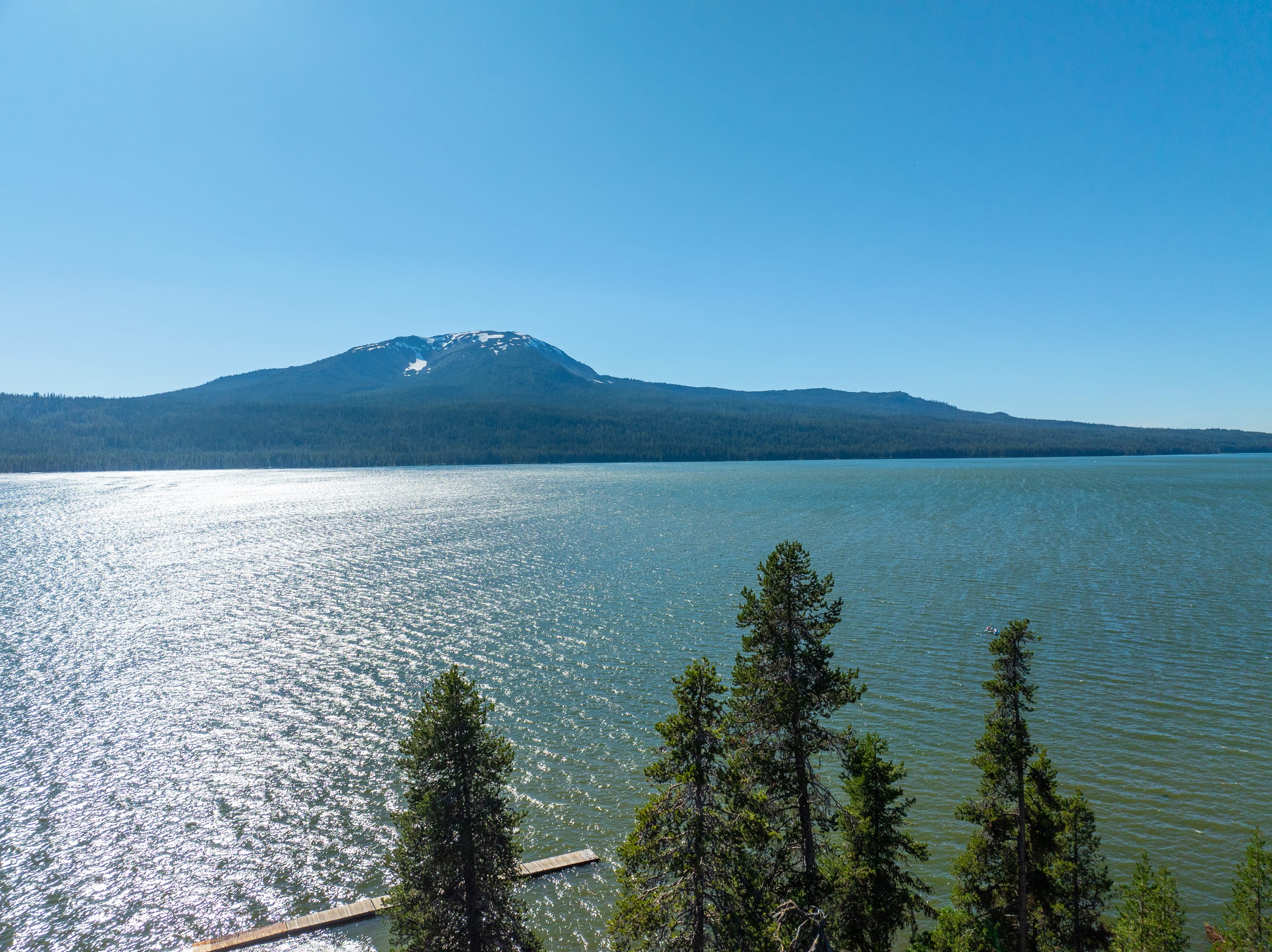
A small town with rural living, outdoor recreation and neighbors who know each other. Residents enjoy a mild climate with four seasons, local wineries, and rivers, mountains, forests and the coast close by.
We want residents and their families to feel at home here. Residency affects partners and families too, and our goal is that a resident joins a community, not only a training program.
Did not find your answer? Contact the residency.